Sing Conference Takeaways
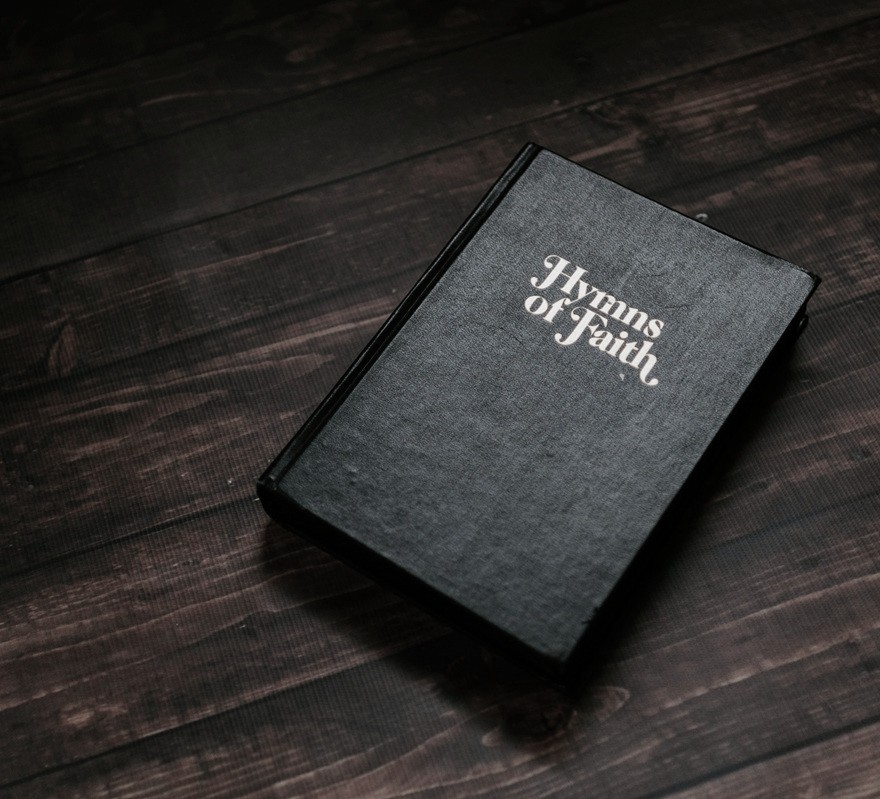
Last week, Sammy Poynor and I had the privilege to attend the 10th annual Sing! Conference in Nashville, Tennessee. The conference is hosted by Keith and Kristyn Getty and featured an impressive collaboration of world class songwriters, poets, preachers, scholars, and talented musicians across a wide array of musical genres. It was a delightful experience!
I wanted to share a few takeaways that I think are relevant to the life of our church. First, I was filled with a sense of gratitude for Sammy. Spending a few days with more than 7,000 Christian musicians reminded me how much of a treasure Sammy and his family are to our church. I heard people talk about the struggles they face as they lead a music ministry in a local church, and that underscored how much work Sammy does behind the scenes to prepare himself as well as the band and production team to lead us in musical worship every week. Not only that, but Sammy is an influential figure among Christian musicians in our region. He’s making a difference in our church and community and it’s a blessing to have him lead us every week!
A second takeaway has to do with the “worship wars” that have shaped the conversation about music in church over the last several decades. On the one hand, it seems as if these “wars”—for the most part—have run their course. I don’t hear very often about churches splitting over the topic of music, and I was amazed to see the breadth of musical styles in use while individuals from all kinds of backgrounds joyfully joined in.
However, it seems as though Christian leaders have allowed unhelpful overreactions to the worship wars to congeal. For example, most pastors would say that a “performance” mentality has no place in local church worship, because we don’t want the attention to be on the performer but on Christ.
Amen! And yet, don’t we want our musicians to exercise the very best of their gifts to the glory of God? It was such a joy last week to hear world-class singers and instrumentalists offer praise and musical testimony using gifts the average person just doesn’t have.
I believe God was glorified when we joined together to sing congregational hymns. But He was also glorified when a professional baritone sang a classical solo over the accompaniment of a choir and orchestra. He was lifted up when a guitarist added a few tasteful riffs to a worship song on a beautiful pre-War Martin dreadnought. He was honored when the most talented violinist I’ve ever heard in person blew us all away with her skill, and when the high lonesome tenor of Ricky Skaggs joined in harmony with other vocalists on the stage.
Look: Not every God-glorifying musical performance belongs in a Sunday morning worship service. But we need to get a little more comfortable with talented Christians “performing” every once in a while in celebration of the holiness and grace of our God. Instead of forcing a choice between singable congregational hymns and special worship performances, let’s ask a different question: Why not both?
A third takeaway had to do with the theme of the conference. Basically, all the talks and many of the songs were dedicated to the ministry of William Tyndale, a Christian martyr whose main ministry was to translate the Bible from the original Greek and Hebrew into English exactly 500 years ago. You may not realize that Tyndale’s phrasings shaped the language we read and speak, and undergird every subsequent English Bible version. For his efforts, Tyndale was imprisoned for more than a year and then brutally executed.
Tyndale’s life reminded me how privilege we are as English-speaking Christians. We have a far greater wealth of edifying literature and a treasure trove of Christ-honoring hymns collected over the course of several centuries. These wonderful blessings came at a great price. There was a time when you could be burned at the stake just for possessing a copy of the Lord’s Prayer in English.
Ask yourself: Why would anyone go to such lengths to keep people like you and me from having the Scriptures in our own language? Isn’t it obvious that Satan and his armies saw how powerful the gospel impact would be if people could share the message in their native tongue? And—praise God!—their worst fears were realized. The translation of the Bible into English led to centuries of Great Commission advance around the world.
I confess that I have been guilty of taking these gifts for granted. I’ve neglected my Bible. I’ve been sluggish in teaching my children the treasures of Christian hymnody handed down to me. I want to renew my love for the Word of God and for the music that plants it in my heart!
More in Weekly Articles
October 13, 2026
Missions BanquetOctober 6, 2026
Family WorshipSeptember 29, 2026
PPBA Annual Meeting